Advantages of Using a Passive Preamplifier
In the realm of high-fidelity audio, the choice of components can significantly impact the quality of sound reproduction. One such critical component is the preamplifier. While active preamplifiers have traditionally dominated the market, passive preamplifiers have gained substantial attention for their unique characteristics and advantages. This article delves into the benefits of using a passive preamplifier in your audio setup, examining its impact on sound quality, simplicity, and overall performance.
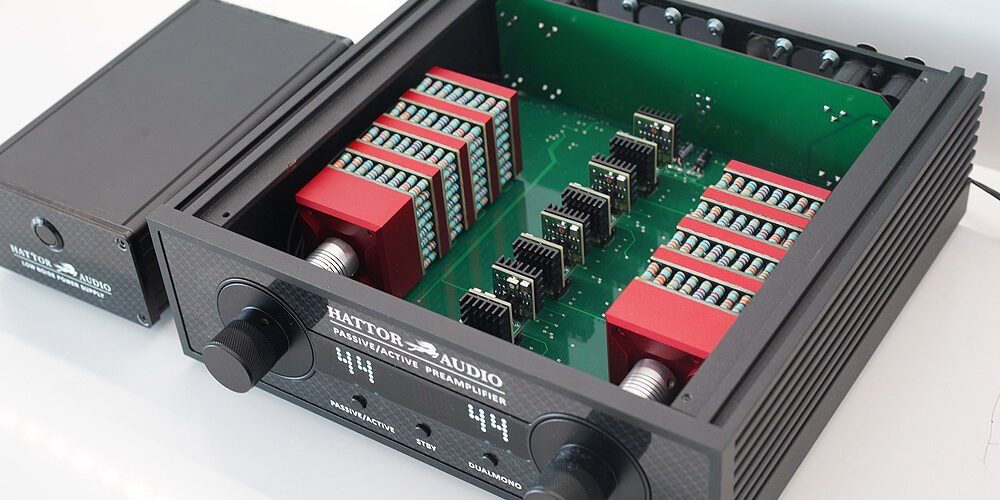
A passive preamplifier, often referred to as a passive preamp, is an audio device that controls the volume of an audio signal without the need for active electronic components such as transistors or operational amplifiers. Unlike their active counterparts, passive preamplifiers do not require an external power source to operate. They rely on high-quality potentiometers or stepped attenuators to adjust the signal level, allowing for a pure and uncolored sound reproduction.
The Basics of Passive Preamplifiers
The fundamental operation of passive preamplifiers revolves around their ability to manage audio signals without the need for external power. This power-free operation is possible because passive preamps utilize only passive components like resistors, capacitors, and inductors. These components work harmoniously to control the signal flow, ensuring that the audio signal remains untainted by external noise or interference. The result is a cleaner, more natural sound that audiophiles cherish.
Components Involved
At the heart of a passive preamplifier are the potentiometers or stepped attenuators, which serve as the primary tools for volume control. Potentiometers are variable resistors that adjust the signal level by varying resistance, while stepped attenuators offer precise volume increments through fixed resistors. The choice between these components can influence the preamp’s performance, with each offering distinct advantages in terms of precision and audio fidelity.
Advantages of Passive Design
The passive design of these preamplifiers means they are inherently less complex than their active counterparts. This simplicity translates to fewer components in the signal path, reducing the likelihood of introducing noise or distortion. Moreover, the absence of active electronics minimizes the risk of electrical interference, ensuring that the audio signal remains as true to the original recording as possible. This design philosophy is a key reason why many audiophiles prefer passive preamps for critical listening.
Advantages of Passive Preamplifiers
Purity of Sound
One of the most significant advantages of using a passive preamplifier is the purity of sound it offers. Since passive preamps do not incorporate active electronic components, they do not introduce additional noise or distortion into the signal path. This results in a more transparent audio experience, allowing the original recording’s nuances to shine through. Audiophiles often appreciate the uncolored and faithful reproduction that passive preamps provide, making them a preferred choice for those seeking high-fidelity sound.
Unadulterated Audio Experience
The absence of active components ensures that passive preamplifiers do not color the sound, preserving the integrity of the original recording. This unadulterated audio experience allows listeners to hear music exactly as intended by the artist, capturing every nuance and detail. For purists, this transparency is paramount, offering an immersive listening experience that brings recordings to life.
Reduced Noise and Distortion
Without active components to introduce noise, passive preamplifiers excel in maintaining a low noise floor. This reduction in background noise is crucial for revealing subtle details in complex musical passages. Additionally, the lack of distortion-producing elements ensures that the audio signal remains clean, which is particularly important for high-resolution audio formats where any distortion can be more noticeable.
Audiophile Approval
Many audiophiles vouch for the performance of passive preamplifiers, citing their ability to deliver exceptional sound quality. This approval stems from the preamps’ capacity to provide a wide and deep soundstage, accurate imaging, and a clear separation of instruments. For those who prioritize audio fidelity, passive preamplifiers offer a compelling solution that elevates the listening experience.
Simplicity and Reliability
Passive preamplifiers are renowned for their simplicity and reliability. With fewer components than active preamps, they are less prone to failure and require minimal maintenance. The absence of power supplies and complex circuitry reduces the likelihood of issues such as ground loops, hum, and electromagnetic interference. This simplicity also makes passive preamps easier to integrate into existing audio setups, providing a hassle-free listening experience.
Minimalist Design
The minimalist design of passive preamplifiers is a significant advantage, as it results in fewer points of failure compared to complex active systems. This design simplicity ensures that there are fewer parts to wear out or malfunction, contributing to the long-term reliability of the equipment. Additionally, the lack of power supply elements means there is no risk of power-related failures, further enhancing the unit’s dependability.
Ease of Integration
Integrating a passive preamplifier into an audio system is straightforward due to its uncomplicated design. This ease of integration is beneficial for users who want to enhance their audio setup without undergoing extensive modifications. Passive preamps can seamlessly fit into a variety of configurations, making them an ideal choice for both new setups and existing systems.
Maintenance-Free Operation
The absence of active components and power supplies means that passive preamplifiers require little to no maintenance. This maintenance-free operation is particularly appealing to users who prefer to focus on listening to music rather than troubleshooting equipment issues. The durability and longevity of passive preamps make them a cost-effective choice over time, as they are less likely to need repairs or replacements.
Cost-Effectiveness
Another appealing aspect of passive preamplifiers is their cost-effectiveness. Without the need for power supplies, complex circuitry, and active components, passive preamps are generally more affordable than their active counterparts. This affordability allows audio enthusiasts to allocate more of their budget toward other critical components, such as speakers or source equipment, enhancing the overall audio system’s performance.
Budget-Friendly Options
The simplicity of passive preamplifiers allows manufacturers to offer high-quality models at competitive prices. This affordability makes them accessible to a wide range of consumers, from budget-conscious enthusiasts to seasoned audiophiles. By choosing a passive preamp, users can achieve excellent sound quality without breaking the bank, leaving more room in the budget for other audio upgrades.
Value for Money
Investing in a passive preamplifier offers significant value for money due to its longevity and performance. The durable design ensures that the preamp will continue to deliver high-quality sound over the years, making it a worthwhile investment. Additionally, the cost savings from not needing repairs or replacements further enhances the value proposition of passive preamplifiers.
Allocating Resources
By spending less on the preamplifier, audio enthusiasts can allocate more resources to other critical components of their system. This strategic allocation can lead to significant improvements in overall audio performance, as higher-quality speakers or source components can have a profound impact on sound quality. Passive preamplifiers enable users to optimize their audio systems without compromising on any single component.
Wide Compatibility
Passive preamplifiers boast wide compatibility with various audio sources and amplifiers. Their straightforward design ensures that they can easily interface with a range of devices, including CD players, DACs, and power amplifiers. Additionally, passive preamps often feature multiple input and output options, providing flexibility in connecting different audio components. This versatility makes them a suitable choice for both analog and digital audio setups.
Interfacing with Various Devices
The compatibility of passive preamplifiers with a broad spectrum of audio devices is one of their standout features. Whether you are using modern digital sources or traditional analog equipment, passive preamps can seamlessly interface with your setup. This adaptability ensures that users can enjoy the benefits of a passive preamp regardless of their preferred audio source.
Multiple Connectivity Options
Many passive preamplifiers are equipped with a variety of input and output options, allowing users to connect multiple devices simultaneously. This flexibility is ideal for those who frequently switch between different audio sources, such as vinyl records and digital streaming services. The ability to easily connect and disconnect equipment without compromising sound quality is a valuable feature for dynamic audio environments.
Suitability for Diverse Setups
The versatility of passive preamplifiers extends to their suitability for various audio setups, from simple home audio systems to complex multi-room installations. Their straightforward design and wide compatibility make them an excellent choice for both seasoned audiophiles and newcomers to the world of high-fidelity audio. Whether you are building a new system or enhancing an existing one, passive preamplifiers offer a reliable and flexible solution.
Considerations When Using Passive Preamplifiers
While passive preamplifiers offer numerous benefits, there are certain considerations to keep in mind when incorporating them into your audio system.
Impedance Matching
by Damon Lam (https://unsplash.com/@dayday95)
One important factor to consider is impedance matching. Passive preamps can be sensitive to impedance variations between the source and power amplifier. To achieve optimal performance, it is essential to ensure that the input impedance of the power amplifier is significantly higher than the output impedance of the passive preamp. This impedance matching minimizes signal loss and preserves the integrity of the audio signal.
Understanding Impedance Concepts
Impedance matching is a crucial concept in audio systems, particularly for passive preamplifiers. It involves aligning the electrical impedance of different audio components to maximize signal transfer and minimize loss. This understanding is essential for ensuring that the audio signal is transmitted efficiently from the source to the amplifier, maintaining high sound quality.
Ensuring Proper Matching
To ensure proper impedance matching, it’s important to research the specifications of both the passive preamplifier and the connected power amplifier. This involves checking the input and output impedance values to confirm compatibility. Proper matching can prevent issues such as signal attenuation or frequency response alterations, which could otherwise compromise audio fidelity.
Troubleshooting Impedance Issues
If impedance mismatches occur, they can often be addressed by using impedance matching devices or transformers. These tools help balance the impedance levels between components, ensuring optimal signal transfer. By addressing impedance issues proactively, users can avoid potential pitfalls and maintain the high-quality sound that passive preamplifiers are known for.
Cable Length and Quality
The length and quality of the cables used in conjunction with a passive preamplifier can also impact its performance. Longer cable runs can introduce resistance and capacitance, potentially degrading the audio signal. Therefore, it is advisable to use high-quality, low-capacitance cables and keep cable lengths as short as possible to maintain signal integrity.
The Impact of Cable Length
Cable length plays a significant role in signal transmission, especially for passive preamplifiers. Longer cables can introduce resistance, which may attenuate the audio signal and reduce sound quality. Therefore, keeping cable runs as short as possible is a recommended practice to preserve the integrity of the audio signal.
Choosing the Right Cables
Selecting the appropriate cables is crucial for maximizing the performance of a passive preamplifier. High-quality cables with low capacitance and resistance are ideal, as they minimize signal loss and preserve audio fidelity. Investing in premium cables can make a noticeable difference in sound quality, particularly in high-end audio systems.
Managing Cable Layout
Proper cable management is essential to avoid interference and maintain signal quality. Organizing cables to minimize overlap and potential electromagnetic interference is important for achieving the best audio performance. Additionally, using cable lifters or separators can help reduce unwanted interactions between cables, further enhancing sound clarity.
Volume Control Precision
Passive preamps typically use potentiometers or stepped attenuators for volume control. While these components offer precise volume adjustment, they may exhibit channel imbalance at low volume levels. This imbalance can lead to discrepancies in stereo imaging and soundstage. To mitigate this issue, some manufacturers employ high-quality stepped attenuators with closely matched resistors, ensuring consistent volume control across the entire range.
Understanding Volume Control Mechanisms
Volume control is a critical aspect of any preamplifier, and passive models rely on potentiometers or stepped attenuators to achieve this. Potentiometers allow for smooth, continuous volume adjustment, while stepped attenuators offer fixed increments for precise control. Understanding these mechanisms is essential for achieving desired listening levels without compromising sound quality.
Addressing Channel Imbalance
Channel imbalance can occur when the left and right audio channels do not maintain equal volume levels, impacting the stereo image. This issue is more pronounced at low volume levels, where the potentiometer’s resistance may not be perfectly matched. To combat this, some manufacturers use high-quality components with close tolerances, ensuring consistent performance across all volume levels.
Enhancing Volume Control Accuracy
For audiophiles seeking the utmost precision, selecting a passive preamplifier with a high-quality volume control mechanism is crucial. Stepped attenuators with closely matched resistors can provide consistent volume levels and accurate channel balance. This attention to detail ensures that listeners can enjoy a well-defined soundstage and precise imaging, even at lower volumes.
Conclusion
In conclusion, passive preamplifiers present a compelling option for audio enthusiasts seeking a pure and unadulterated listening experience. Their simplicity, reliability, and cost-effectiveness make them an attractive choice for those looking to enhance their audio setups without compromising on sound quality. By understanding the advantages and considerations associated with passive preamps, you can make an informed decision that aligns with your audio preferences and system requirements. Whether you are an audiophile or a casual listener, a passive preamplifier can elevate your audio journey to new heights, delivering a truly immersive sonic experience.
Making the Right Choice
Choosing the right preamplifier involves weighing the benefits of passive designs against your specific audio needs. Passive preamps offer a transparent sound, minimal maintenance, and cost savings, making them suitable for a wide range of users. By considering factors such as impedance matching, cable quality, and volume control precision, you can optimize your setup to achieve the best possible sound quality.
Enhancing Your Audio Experience
A passive preamplifier can be a valuable addition to any audio system, offering a cleaner and more natural sound. By focusing on the purity of sound and simplicity of design, passive preamps allow you to experience music in its truest form. Whether you’re revisiting classic recordings or exploring new genres, a passive preamp can enhance your audio experience and bring your favorite music to life.
Looking Ahead
As audio technology continues to evolve, passive preamplifiers remain a relevant and appealing choice for discerning listeners. Their timeless design and focus on sound purity ensure that they will continue to play a crucial role in high-fidelity audio systems. By embracing the advantages of passive preamps, you can enjoy an exceptional listening experience that stands the test of time.